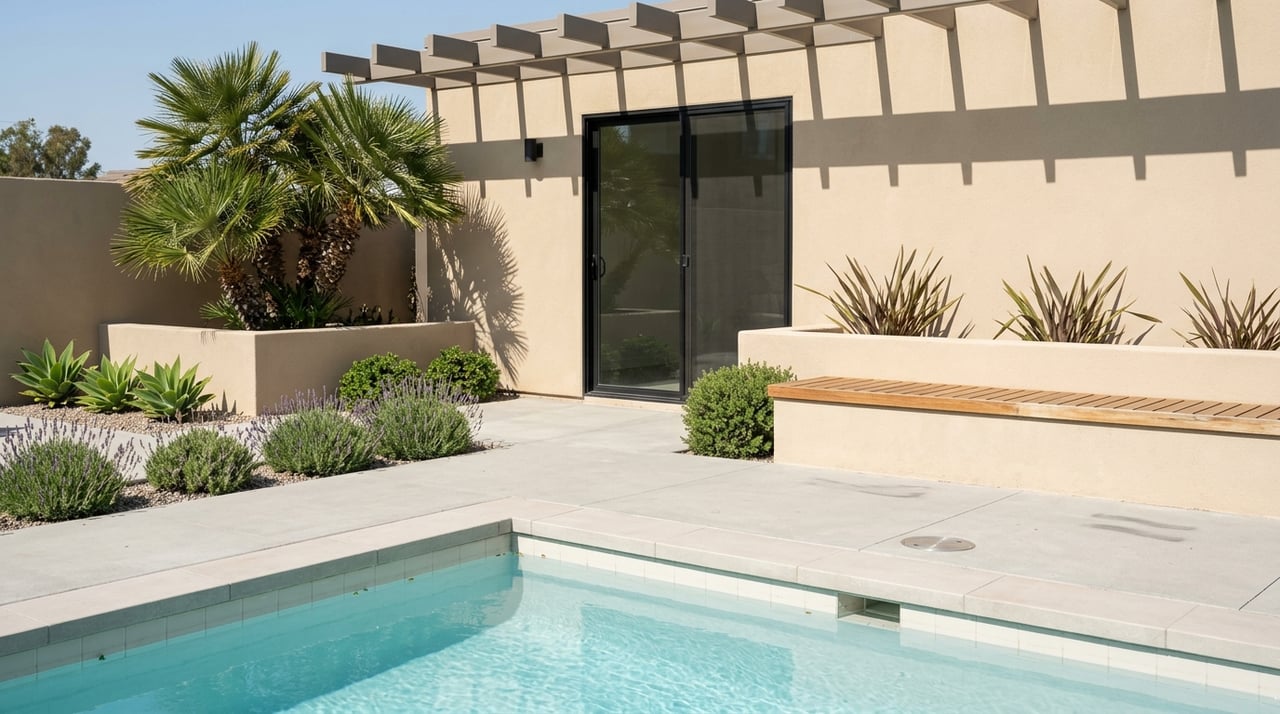
Your Guide to Irvine HOA Communities, Fees, and Rules
May 7, 2026
May 7, 2026
Wondering whether an Irvine HOA community is worth the monthly fee? If you are buying in Irvine, that question matters because HOA dues often affect both your budget and how you can use the home. The good news is that once you understand how Irvine HOAs work, you can compare communities with a lot more confidence. Let’s dive in.
In Irvine, HOAs are part of the housing landscape in many neighborhoods. The City of Irvine notes that HOA coverage includes single-family neighborhoods, condo communities, and high-rise communities. In some areas, a home may even fall under both a master HOA and a sub-HOA.
That layered setup is one reason buyers need to read beyond the listing summary. A posted HOA fee may not tell the whole story if there is a second association or added charges. It also helps explain why two homes in the same village can have different dues.
The City also notes that not every single-family neighborhood in Irvine is HOA-governed. Parts of Lower Peters Canyon, Northwood, and El Camino Real are examples where an HOA may not apply, though deed restrictions still can. That means a home without HOA dues does not automatically mean zero rules.
In many Irvine communities, HOA dues help pay for the shared parts of daily living. That often includes landscaping, common-area maintenance, pools, recreation spaces, staff, and reserve funding for future repairs or replacements. In amenity-rich communities, the HOA can function almost like a small service provider for the neighborhood.
Woodbridge is a strong example of that model. The Woodbridge Village Association says it serves 9,639 residential properties and maintains 41 recreational facilities, 22 pool facilities, two lakes, two beach lagoons, 23 tennis courts, four pickleball courts, and recreation programming. The association states that its 2026 monthly assessment is $157 per unit.
Woodbridge also shows why dues are about more than access to a pool. According to the association, assessments support lakes, lagoons, parks, the community center, landscaping, on-site staff, recreation programs, and reserve funding for long-term replacement. When you compare HOA fees across Irvine, it helps to ask what services and maintenance are actually included.
Public listing examples suggest many Irvine HOA communities fall roughly in the $100 to $400 per month range. Some communities with more amenities or multiple HOA layers can exceed $500 per month. These examples are not a citywide average, but they do show how much costs can vary.
Here is a snapshot of examples mentioned in the research:
| Irvine community | Example HOA dues |
|---|---|
| Woodbridge | About $86 to $479 depending on tract and fee layers |
| Quail Hill | About $103 to $532 |
| Portola Springs | About $190 to $401 |
| Great Park | About $215 to $516 |
| Eastwood | About $150 to $337 |
The biggest takeaway is simple: do not assume one village has one standard HOA amount. In Irvine, fees can vary by tract, product type, and whether a master HOA and sub-HOA both apply. Before you make an offer, it is smart to confirm the exact dues for the specific property.
Irvine is known for planned communities, so HOA amenities are often a major part of the appeal. Depending on the neighborhood, you may see pools, parks, sports courts, clubhouses, playgrounds, trails, and programmed recreation spaces. Some communities also include added services such as cable or internet.
At the same time, HOA amenities in Irvine often supplement the city’s public amenities rather than replace them. The City of Irvine reports 18 community parks, 37 neighborhood parks, and 5,250 acres of permanently preserved open space. That means your lifestyle may be shaped by both the HOA and the broader public park system.
Quail Hill is a good example of this overlap. The City’s Quail Hill Community Park includes a community center, exercise room, lighted basketball courts, baseball fields, soccer fields, picnic tables, and a trailhead. A buyer there should look at both the public amenities nearby and the specific HOA amenities tied to the home.
Portola Springs reflects a similar pattern in a newer village setting. The City describes the Portola Springs Community Center as a multi-use facility with a multipurpose room, meeting room, patio space, playground amenities, and preserved open space and trails. Listing examples in that area show dues that can vary depending on the home and HOA structure.
Eastwood also highlights how HOA benefits can differ from one community to another. According to its community handout, HOA fees may cover amenities such as basketball courts, baseball fields, parks, a soccer field, a pool, a cabana, and cable or internet. The same handout also notes that assessments are billed quarterly, which is another detail buyers should verify early.
A lower monthly fee does not always mean a better fit. In Irvine, many HOAs actively regulate exterior changes and property use. The City says most residential neighborhoods with HOAs review items such as exterior paint colors, architectural style, landscaping, and even solar proposals.
That review process can affect your plans after closing. If you want to repaint the exterior, change fencing, add a patio cover, install artificial turf, or pursue a room addition, you may need HOA approval first. Buyers who like to personalize a home should pay close attention to the architectural guidelines.
Woodbridge’s rules page shows how detailed these standards can be. The association provides approval forms for artificial turf, exterior paint, fencing color, garage doors, patio covers, room additions, and screen doors. Eastwood’s handout also discusses sign rules, fence standards, paint applications, and modification approval timing.
California law adds important guardrails here. Architectural decisions must follow a fair and reasonable process, be made in good faith, be provided in writing, and include an explanation and reconsideration procedure if a request is denied. That does not remove HOA authority, but it does mean the process must meet clear standards.
If there is any chance you may rent out the home later, review rental rules before removing contingencies. Eastwood offers a clear example of why this matters. Its handout states that short-term leases and room-by-room renting are prohibited, and that new owners are not eligible to rent the property until after 13 months of occupancy.
Rules like these can directly affect future flexibility. A home that works well for you today may not fit your long-term plan if you expect to lease it later. This is especially important for buyers who think of a property as both a home and a future investment.
Solar and EV charging also deserve a closer look. The City of Irvine advises homeowners to consult their HOA board regarding solar review. At the state level, California limits HOA rules that effectively prohibit or unreasonably restrict solar installations and EV charging stations, and it also limits certain landscaping restrictions involving low-water plants and artificial turf.
Monthly dues are only part of the picture. In Irvine, some communities have layered charges because a home may be subject to both a master HOA and a sub-HOA. The City of Irvine specifically notes that this structure exists in some neighborhoods.
There may also be transfer fees, capital contribution fees, or special assessments. Eastwood’s handout mentions transfer fees and capital contribution fees for new buyers. Those costs can affect your closing budget, so they should be reviewed early rather than discovered late in escrow.
Special assessments deserve extra attention. Under California law, a regular or special assessment becomes a debt of the owner when levied, and it generally becomes delinquent 15 days after due unless the governing documents allow more time. In practical terms, you should ask whether any special assessment is active, approved but not yet due, or being discussed.
Before you commit to an HOA property in Irvine, review the association documents carefully. California transfer-disclosure law requires a seller to provide a package that can include the current budget, reserve funding information, regular and special assessments, unpaid assessments or fines, unresolved violations, approved assessment changes not yet due, rental prohibition statements if applicable, and, if requested, the last 12 months of approved board minutes.
That package helps you evaluate both cost and compatibility. A community may look great on the surface, but the documents can reveal upcoming expenses, rule issues, or financial pressure within the association. This is one of the most important parts of HOA due diligence.
A practical review checklist includes:
If you are buying in Irvine, this document review is not just a formality. It is how you learn whether the community’s finances appear stable and whether the rules fit your plans for the property.
The best way to compare Irvine HOA homes is to look at cost, amenities, and restrictions together. A home with higher dues may offer broad amenities and stronger reserve funding. A home with lower dues may still be a better fit if you prefer fewer shared features and fewer monthly costs.
As you evaluate options, ask a few direct questions:
These questions are especially useful in Irvine because fee structures and rule sets can vary even within the same village. The goal is not to find the lowest HOA fee. It is to find the home and community that best match your budget, lifestyle, and future plans.
If you want help comparing Irvine HOA communities, reviewing listing details, or understanding what the disclosure package may mean for your purchase, BAIKHOME can help you move forward with clarity.
Our mission is to become the most trusted source of innovative real estate solutions, creating exceptional experience for all we serve.
BAIKHOME
(714) 882-9212
[email protected]
6281 Beach Blvd Ste 103
Buena Park, CA 90621
ETHAN BAIK | CA DRE# 01927947