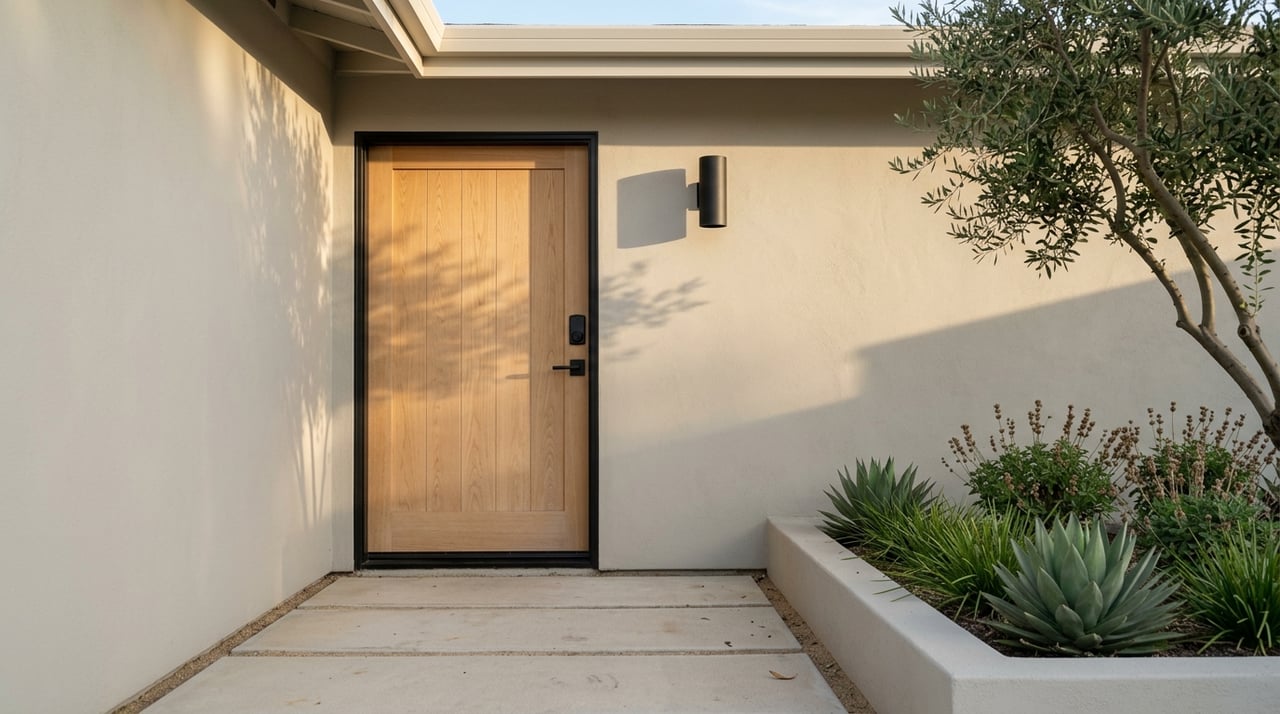
Renting Out a Home in Irvine: What Landlords Should Know
July 2, 2026
July 2, 2026
Wondering whether you should rent out your Irvine home instead of selling it? In a city where rents remain well above national averages, that choice can look appealing, especially if you want to hold onto the property and create income. The key is knowing what your home may realistically rent for and what California rules you will need to follow as a landlord. Let’s dive in.
Irvine is a high-rent market, but your likely rent depends a lot on property type. As of June 2026, Apartments.com reports average apartment rent at $2,948 per month, with studios at $2,557, one-bedrooms at $2,948, two-bedrooms at $3,614, and three-bedrooms at $4,428. The same source places condos around $4,931, townhomes around $5,298, and houses around $8,990.
Zumper’s June 2026 data comes in lower overall, but it still shows Irvine as a premium rental market. It reports a median of $4,600 across bedroom types, with one-bedrooms at $2,681, two-bedrooms at $3,750, three-bedrooms at $4,900, and houses at about $5,400. The gap between platforms is a useful reminder that pricing tools use different datasets, so your home’s condition, layout, location, and lease terms matter.
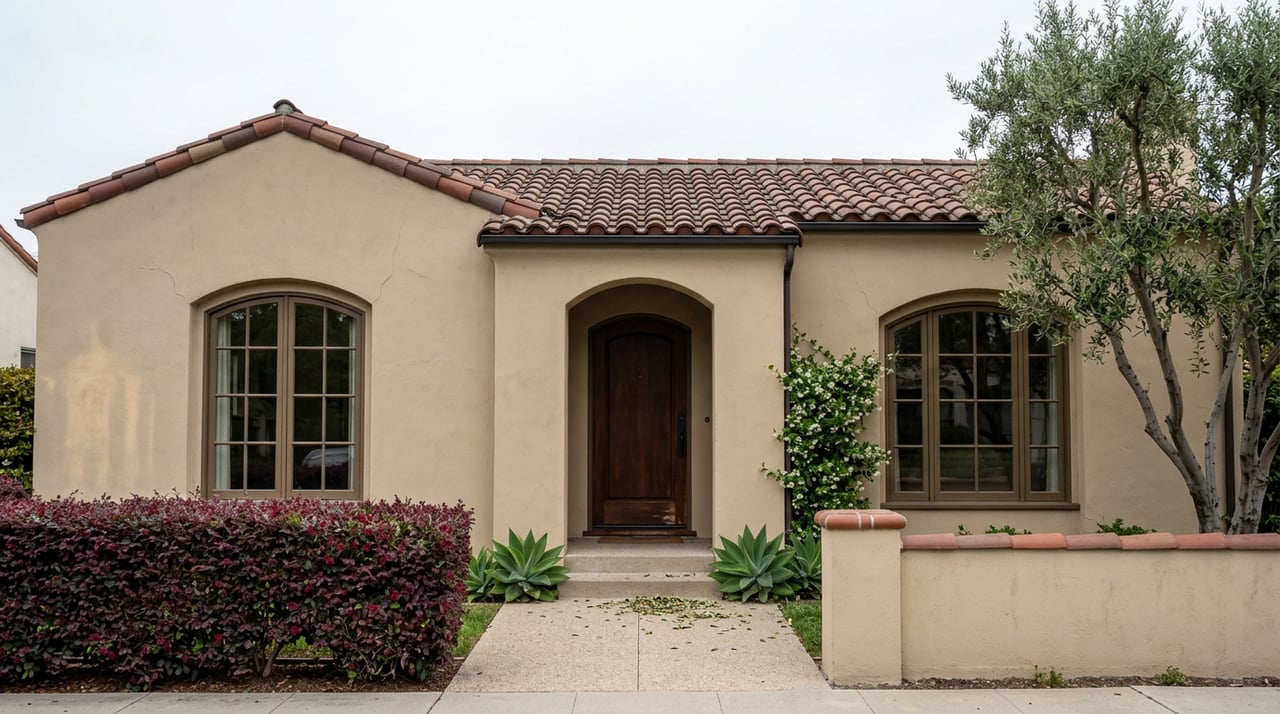
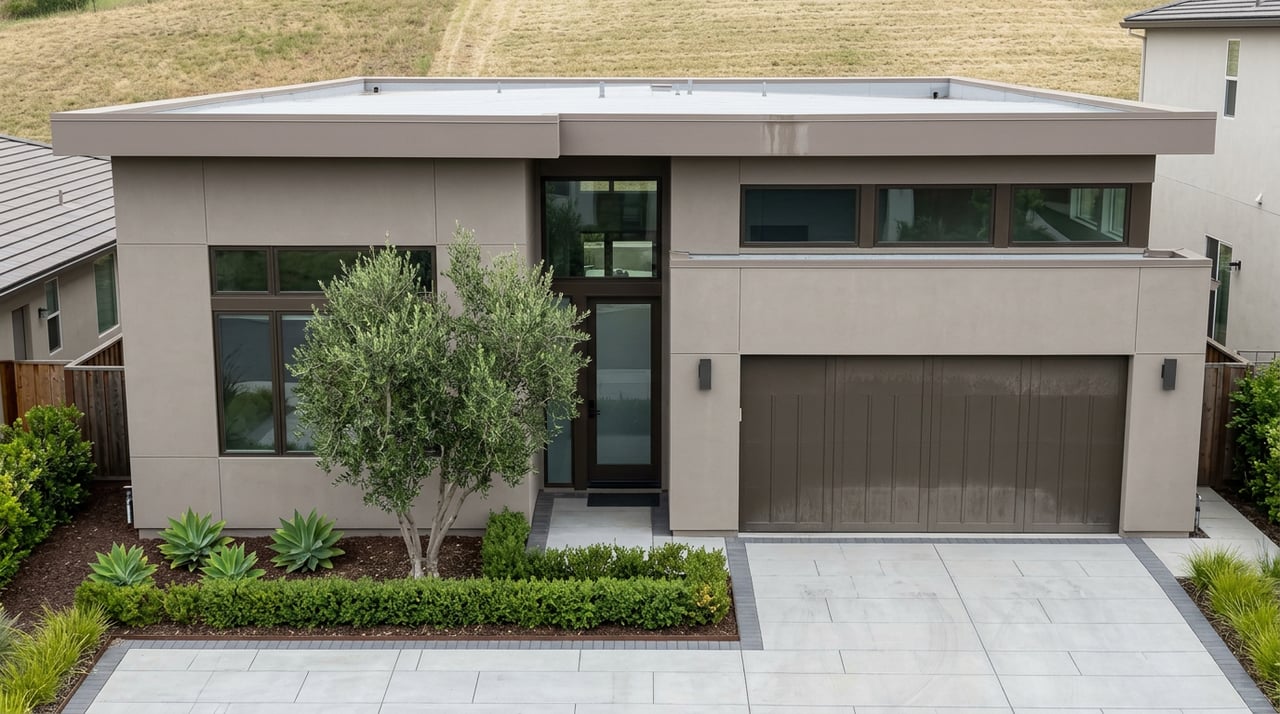
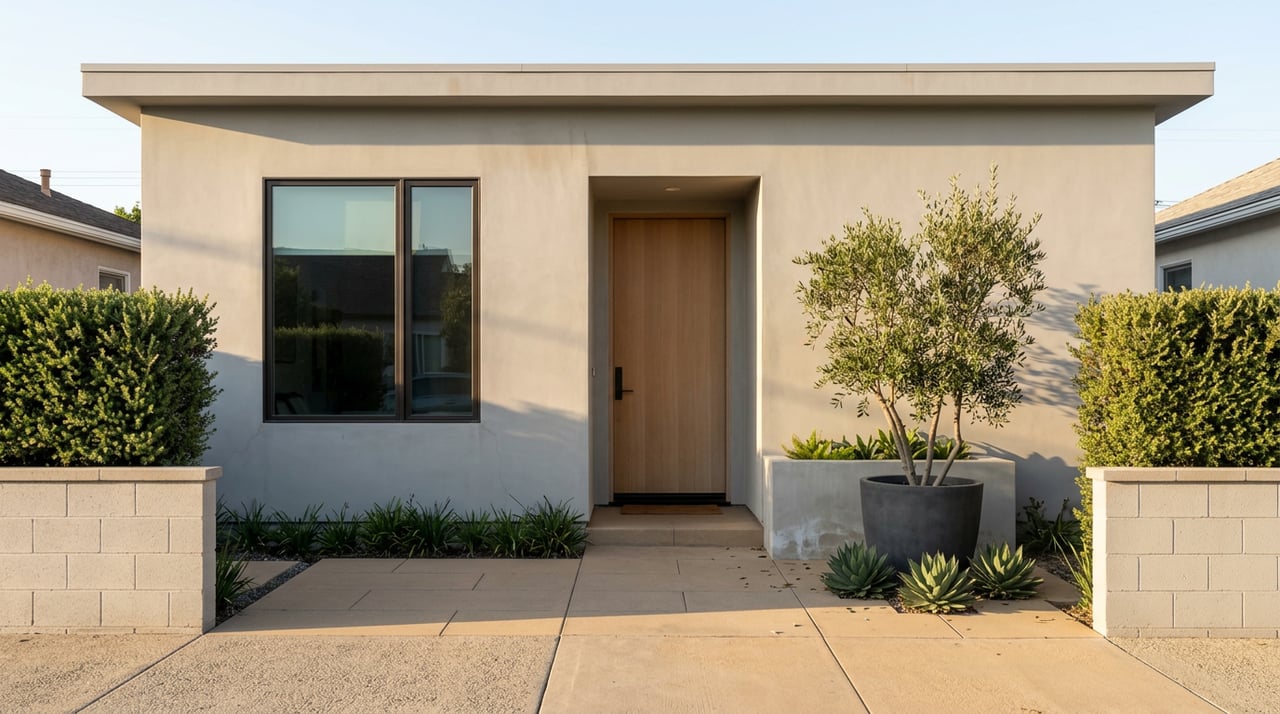
A condo, townhome, and detached house do not compete in the same price tier. If you own a condo, your rent target will usually be shaped by nearby attached homes and apartment alternatives. If you own a townhome or house, renters may compare your property based on space, privacy, parking, and outdoor use.
This is why broad averages should be a starting point, not your final number. A realistic rent strategy should compare your home to similar Irvine lease listings and similar recently leased properties. Pricing too high can lead to longer vacancy, while pricing too low can leave money on the table.
If you are thinking about short-term rental income, Irvine has an important local rule to know. The City of Irvine defines short-term rentals as stays of 30 days or less and prohibits them in residential zones. For most homeowners, that makes long-term leasing the relevant path.
That local rule matters because it shapes your entire plan. Instead of focusing on vacation-style turnover, you should think in terms of lease pricing, tenant placement, property upkeep, and long-term compliance. In Irvine, renting out your home is usually a long-term housing decision rather than a short-stay business model.
Once you become a landlord, one of your biggest legal duties is habitability. California law requires a residential unit to be fit for human occupation, and landlords must repair conditions that make a unit untenantable. In simple terms, you are responsible for keeping the home livable.
That means renting out your home is not just about collecting rent. You also need a system for repairs, notices, records, and tenant communication. Even if you hire help, you still remain responsible for the rental relationship.
Landlord repair duties depend on the condition, but the general standard is clear. If a problem affects whether the home is fit to live in, you should treat it seriously and address it promptly. A clean process for maintenance requests can help you respond faster and document what was done.
If you are leasing an older Irvine home, another rule may apply before a lease is signed. For most pre-1978 housing, landlords and agents must disclose known lead-based paint hazards, provide available records or reports, and give the required lead information pamphlet to the renter.
California has very specific rules in these areas, and they matter from day one. In general, residential security deposits are now limited to one month’s rent, subject to some small-landlord exceptions. After move-out, you must return any remaining deposit and provide an itemized statement within 21 calendar days.
Rent increases also require proper written notice. Under California Civil Code 827, increases of 10% or less require 30 days’ written notice, while increases above 10% require 90 days’ written notice. The Tenant Protection Act also generally caps annual increases at 5% plus inflation or 10%, whichever is lower.
Under California Civil Code 1946.2, many covered tenancies require just cause after 12 months of lawful occupancy. In some multi-tenant situations, that timeline can be 24 months. This is one of the clearest examples of why renting a home in California is part business decision and part compliance responsibility.
A careful screening process helps protect your property, but it needs to be lawful, documented, and consistent. California allows screening fees only when a unit is available and you are actually considering the application. The law also requires written screening criteria, consistent use of those criteria, receipts explaining the fee, and refunds of unused amounts when screening is not performed.
That structure is helpful for both owners and applicants. It creates a more organized process and reduces the risk of informal decision-making. Written standards are one of the best tools you can use to stay consistent.
Yes, California allows reusable tenant screening reports. A reusable report includes details such as the applicant’s name, contact information, employment verification, last known address, and eviction history. If you choose to accept one, you may use it instead of charging for a new screening report.
This can make your process more renter-friendly while still keeping it organized. It also shows why having a standard application process matters, especially in a competitive market like Irvine.
If a rental application is denied based on a tenant screening report, federal law requires an adverse-action notice. That notice must identify the company that supplied the report and explain the applicant’s right to a free copy and to dispute inaccurate information. This is one reason many landlords prefer third-party screening rather than relying on informal impressions.
Screening also has to comply with fair housing law. The federal Fair Housing Act prohibits discrimination based on race, color, national origin, religion, sex, familial status, and disability. California’s Fair Employment and Housing Act also applies to landlords, tenant screening companies, property management companies, and real estate agents.
The safest approach is to use written, lawful, and consistent criteria for every applicant. Focus on objective screening processes and documented procedures rather than personal assumptions. That helps protect both you and the people applying to rent your home.
Some Irvine homeowners want to manage the property themselves, while others want support with leasing and day-to-day operations. The California Department of Real Estate notes that many landlords use a rental agent or property manager. Even then, the owner remains responsible for the rental relationship and for making sure required notices and contact information are properly documented.
For many owners, the real question is not whether management costs money. The real question is whether you have the time, systems, and attention to handle leasing, maintenance coordination, communication, and documentation well.
Professional management is about much more than rent collection. Industry guidance commonly includes:
This kind of structure can reduce avoidable mistakes and create a clear process for both owner and tenant. It can also be especially useful if you do not live nearby, have a busy schedule, or want to keep the property as a longer-term investment.
If you hire a property manager, the lease should identify the person authorized to receive legal notices. That gives tenants a clear point of contact and helps create a documented communication process. It is a practical detail, but an important one.
If you are deciding whether to rent out your Irvine home, start with two questions. First, what can your home realistically lease for based on its property type and current market position? Second, are you ready to manage the legal and operational side of long-term leasing in California?
For many owners, the best outcome comes from treating the home like a long-term asset, not a casual side project. A clear rent strategy, lawful screening process, and reliable maintenance plan can make the experience much smoother. If you also want flexibility to sell later, it helps to work with a team that understands leasing, management, and resale.
BAIKHOME helps Orange County homeowners compare rent potential, navigate leasing, and plan for long-term property management or a future sale. If you want local guidance tailored to your Irvine home, connect with BAIKHOME.






Our mission is to become the most trusted source of innovative real estate solutions, creating exceptional experience for all we serve.

BAIKHOME
(714) 882-9212
[email protected]
6281 Beach Blvd Ste 103
Buena Park, CA 90621
ETHAN BAIK | CA DRE# 01927947