Wondering if staging is worth it when selling your Fullerton home? In a high-visibility Orange County market, presentation can shape buyer perception and momentum from day one. You want a fast, smooth sale without leaving money on the table, and you do not want to overspend on things that will not move the needle. In this guide, you will learn what staging typically costs here, what kind of return to expect, and a practical framework to decide what is right for your property. Let’s dive in.
Why staging matters in Fullerton
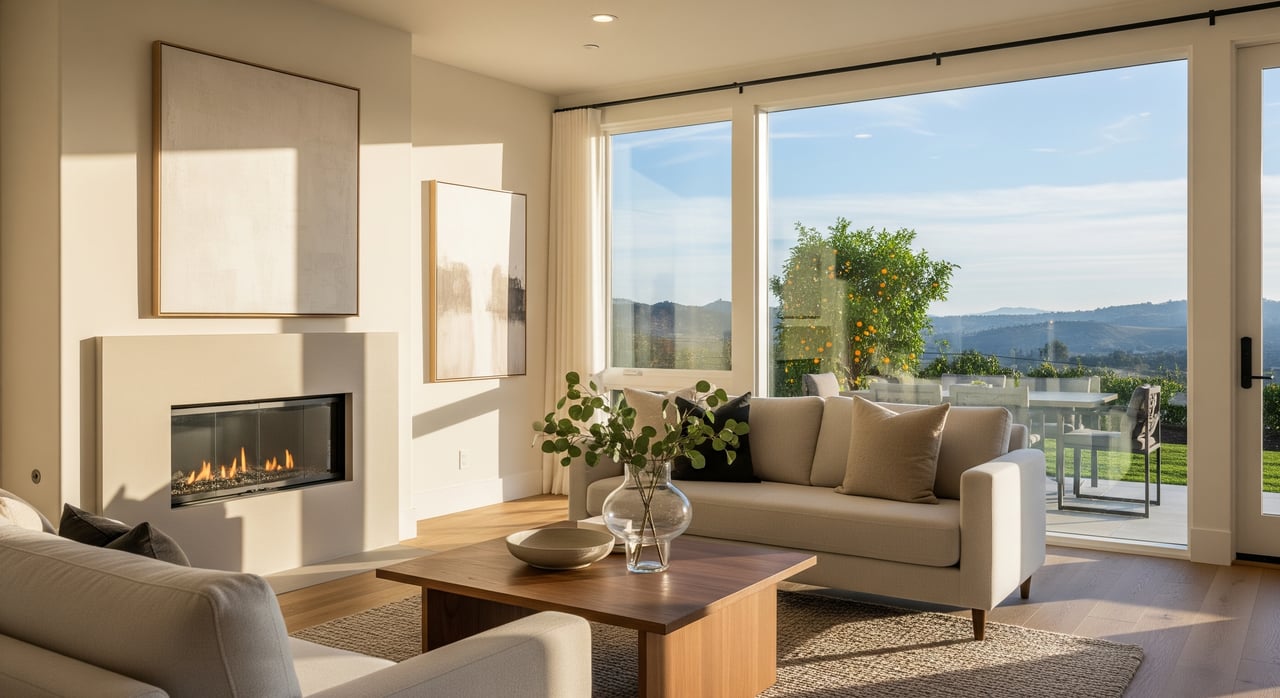
Orange County is a high-cost, coastal-suburban market where buyers expect polished interiors and strong listing photos. In higher price tiers, buyers can be more selective, so presentation carries more weight for perceived value. In balanced or competitive conditions with lower inventory, good staging can attract early showings and drive stronger offer activity. When inventory rises, staging helps your home stand out and reduces the chance of price cuts.
Fullerton attracts a mix of families, commuting professionals, and students from nearby Cal State Fullerton. That means staging should match the property and the likely buyer. Entry-level condos and units near transit or campus benefit from decluttering and functional staging. Family homes respond well to lifestyle staging that highlights living flow, kitchen usability, and outdoor space. Historic or character homes near Old Town should showcase original features rather than over-modernizing.
Staging options and local cost ranges
There is no one-size-fits-all approach. Here are common options and what they typically cost. In Orange County, rates often land on the higher end of national ranges.
- Declutter and refresh: $200 to $2,000 for deep cleaning, minor repairs, and paint touch-ups. Great for occupied homes in good condition.
- Targeted staging: $1,500 to $5,000 to stage 2 to 3 key rooms, plus $150 to $600 per month for rental. Focus on the living room, kitchen, and primary bedroom.
- Full staging for occupied homes: $2,500 to $12,000 initial, plus $300 to $2,500 per month. Ideal when layout or furnishings do not photograph well.
- Vacant home staging: $3,000 to $15,000 initial, plus $400 to $3,000 per month. Vacant spaces often need full packages to define scale and use.
- Virtual staging: $30 to $200 per photo. Cost-effective for online marketing, especially for vacant rooms. It does not replace in-person staging during showings.
- Professional photography: $150 to $600 for standard stills. Premium options like drone, twilight, and floor plans cost more.
Typical timelines
- Lead time: 1 to 2 weeks for occupied staging in most cases. Vacant staging can take 2 to 4 weeks or more, depending on inventory and custom orders.
- Rental duration: Most contracts include a 30 to 60 day minimum, then month to month until closing plus a short buffer.
- Install and access: Stagers schedule delivery and setup prior to photography. Clear access, keys or agent accompaniment, and a defined install window keep the process smooth.
Contract points to review
- Inventory list and condition: Confirm what is included and who is responsible for damage. Photos before and after are helpful.
- Insurance: Verify stager liability coverage and your homeowner policy for any gaps.
- Early pickup and minimum terms: Understand fees and how removal timing works.
- Cleanup and repairs: Clarify who handles any touch-ups after furniture removal.
- Photo rights: For virtual staging, confirm who owns the edited images and how you can use them in marketing.
What the data says about ROI
Industry research and agent surveys generally agree that staging boosts online appeal and can reduce days on market. Price premiums are reported in some studies, but the size of the effect varies by market and price tier. The most consistent benefits are stronger photos, more clicks and showings, and fewer price reductions due to staleness.
In Orange County-type markets, the most reliable financial win is avoiding a price cut. Think conservatively: staging helps you sell faster and maintain your pricing posture. Any added premium is a bonus and tends to be in the low single-digit percent range for typical homes, with larger impacts possible in higher tiers when staging is well targeted.
Here is a simple illustration. Suppose your Fullerton home lists at $1,000,000. If it lingers 30 extra days and requires a 1 to 2 percent reduction to spark offers, that is a $10,000 to $20,000 hit. Spending $3,000 to $7,000 on staging that reduces days on market and supports your price can be net positive even without a premium over list. In a very hot segment where offers come in immediately, you may stage more lightly and rely on pricing and professional photos.
How to decide for your home
Use these factors to set a staging plan that fits your property and goals.
- Price band and margin tolerance: If a 1 to 3 percent swing in net proceeds matters, prioritize staging that keeps you out of price-cut territory.
- Local market snapshot: Inventory, recent days-on-market, and list-to-sale trends in Fullerton can tilt your decision toward heavier or lighter staging.
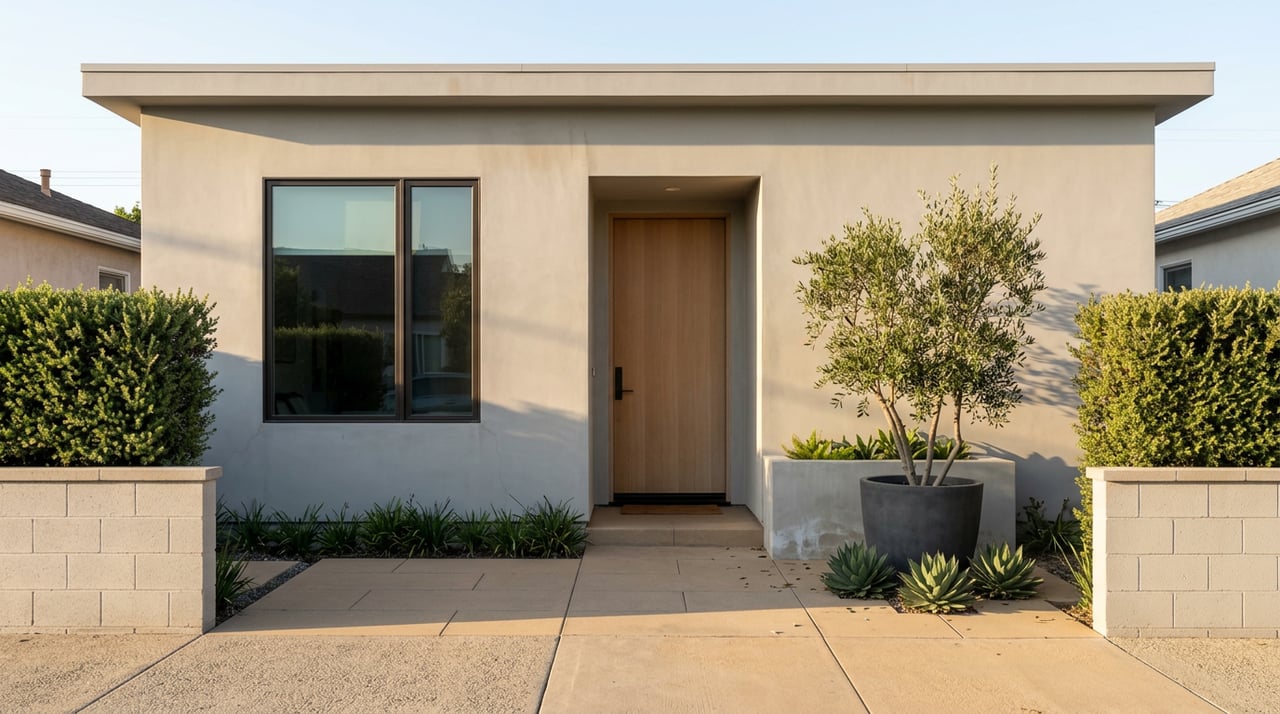
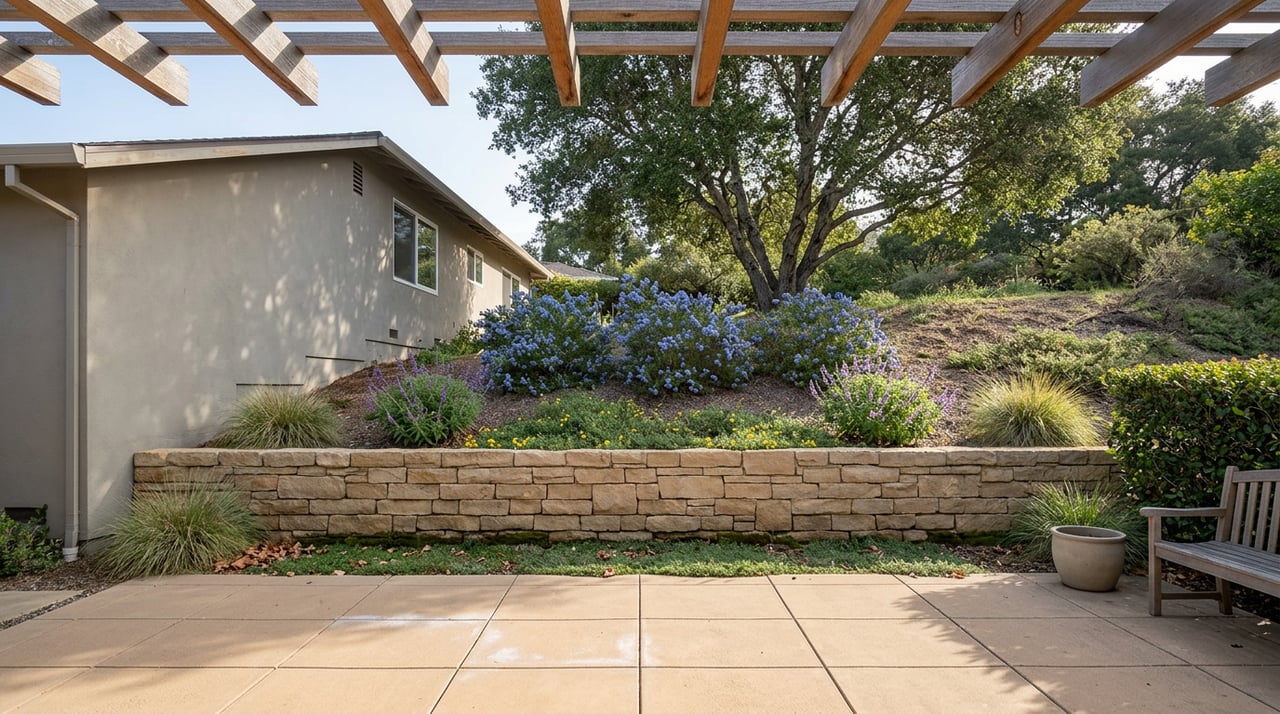
- Condition and curb appeal: Address basic repairs, paint, cleaning, and landscaping first. A clean, neutral canvas improves any staging.
- Target buyer: For first-time buyers or students, focus on function, storage, and efficient layouts. For families, highlight gathering spaces and yard usability. For luxury buyers, elevate materials and scale.
- Timeline: If you need to sell quickly, staging and premium photography can be a smart upfront investment to accelerate showings.
- Budget and risk: Set a cap for the initial install and monthly rental so costs do not creep past your comfort level.
Tailored recommendations by property type
Entry-level condos and small units
- Best use of budget: declutter and refresh, then add targeted staging in the living area and primary bedroom. If vacant, consider virtual staging for photos.
- Typical spend: $500 to $2,500.
- Why it works: better online engagement and a cleaner first impression.
Starter single-family homes
- Best use of budget: targeted staging of living, kitchen, and primary bedroom plus simple curb appeal upgrades. Professional photos are essential.
- Typical spend: $1,500 to $6,000.
- Why it works: helps buyers visualize family flow and daily living.
Mid-range family homes
- Best use of budget: full or semi-full staging with attention to room function and outdoor living. Consider drone or yard-focused images.
- Typical spend: $3,000 to $12,000 initial, plus rental.
- Why it works: supports list-price confidence and highlights lifestyle.
Luxury properties
- Best use of budget: high-end, full staging with lifestyle photography, twilight shots, and outdoor furnishing. Prioritize the main living spaces and primary suite.
- Typical spend: often more than 1 percent of list price, frequently $10,000 to $50,000+ depending on scale.
- Why it works: luxury buyers expect a polished experience and may penalize small presentation gaps.
Historic and character homes
- Best use of budget: neutral staging that complements original features. Avoid heavy modern pieces that compete with the architecture.
Investment properties and rentals
- Best use of budget: minimal staging or virtual staging. Emphasize cleanliness, floor plan, and potential use. Physical staging may make sense if marketing to owner-occupants.
A simple pre-list checklist for Q1–Q2
- Market check: Review current Fullerton inventory and recent days-on-market for similar homes.
- Condition audit: Complete cleaning, paint touch-ups, and landscaping before staging. Fix visible defects first.
- Pricing posture: If your list price requires buyers to “see” the value, invest in staging and strong photos.
- Budget set: Decide your total staging budget and maximum monthly rental before interviews.
- Scope choice: Prioritize the living room, kitchen, primary bedroom, and curb appeal.
- Photo plan: Schedule staging to finish before the photographer arrives. Add twilight or floor plans for mid to high-tier listings.
- Contracts and insurance: Confirm inventory lists, liability terms, removal timing, and photo rights.
- Track metrics: After launch, watch online views and weekly showings. If activity is soft, consider staging adjustments or pricing changes.
Common mistakes to avoid
- Skipping foundational fixes: Staging cannot hide worn paint, obvious damage, or odors. Address basics first.
- Over-staging small spaces: Too much furniture makes rooms feel tight. Scale pieces to the room.
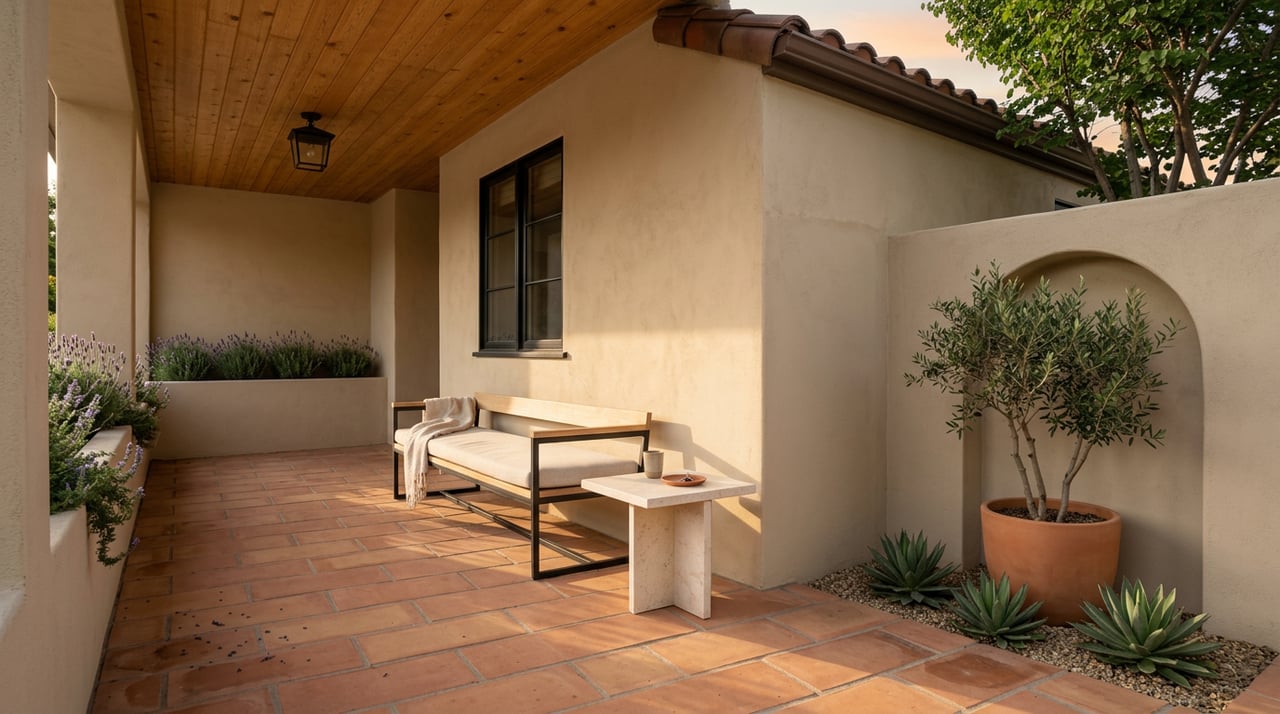
- Ignoring outdoor areas: In Southern California, patios and yards influence lifestyle. Stage them simply and cleanly.
- Staging after photos: You need staging in place before photography to maximize your first days online.
- Over-modernizing character homes: Complement the style rather than masking it.
Next steps
If you are listing in Fullerton or the broader Anaheim–Santa Ana–Irvine area, a right-sized staging plan can protect your pricing and speed your sale. Start by clarifying your target buyer, timeline, and budget, then match the staging scope to your property type. Professional photography should follow immediately after staging. If you would like local guidance on budget ranges and a step-by-step prep plan, reach out to the team at BAIKHOME. We offer client-first seller representation with modern marketing, bilingual English/Korean support, and neighborhood-level insight across Orange County.
FAQs
Does staging increase the sale price in Fullerton?
- Staging often reduces days on market and helps you avoid price cuts. Any price premium varies by market conditions and execution, so treat it as a potential upside rather than a guarantee.
How much should I budget to stage a Fullerton home?
- Many sellers spend between $1,500 and $6,000 for targeted staging, while full staging can range from about $3,000 to $15,000 or more depending on size and quality, plus monthly rental.
Is virtual staging enough for a vacant property?
- Virtual staging is cost-effective for photos and can lift online engagement, but it does not influence in-person showings. It works best paired with selective physical staging or short-term furniture for open houses.
How long should I keep staging in place?
- Most sellers keep staging until closing, with contracts commonly requiring a 30 to 60 day minimum and a small buffer for removal after the deal is firm.
Should I stage if I plan to price aggressively?
- If you expect immediate offers due to sharp pricing, you may scale back. Still, complete decluttering and professional photography to capture early momentum.