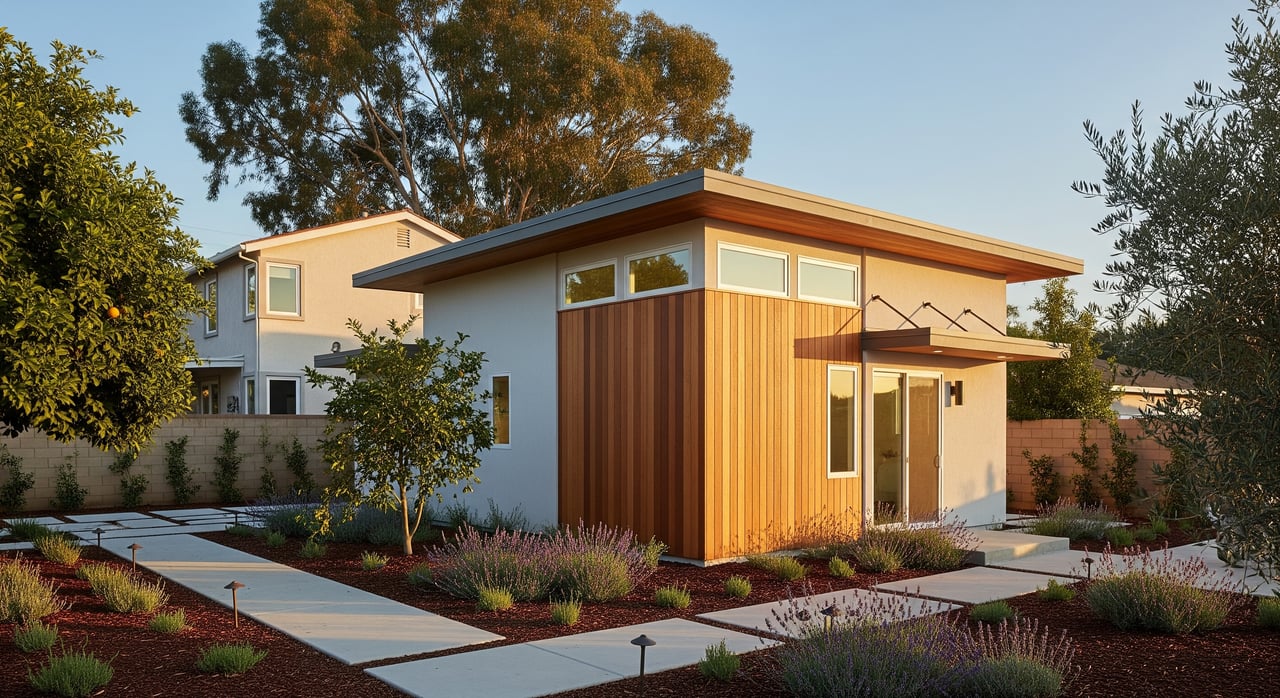
Thinking about building an ADU in Yorba Linda but not sure where to start? You are not alone. Between setbacks, height limits, parking, and permits, the rules can feel complicated when all you want is a practical way to add space or rental income. This guide breaks down Yorba Linda’s ADU standards in plain English and gives you a step-by-step path from idea to move‑in, along with realistic timelines. Let’s dive in.
ADU basics in Yorba Linda
California’s state ADU laws set the framework that cities must follow. Yorba Linda applies objective, clear standards and typically processes compliant ADUs through ministerial review, which avoids discretionary hearings. You still need to meet local zoning and building codes, but approvals are meant to be predictable when your plans meet the rules.
Local overlays and safety concerns can still matter. Historic areas, fire hazard zones, or unique site constraints can add requirements. Always confirm your property’s specifics with city staff early in the process.
Setbacks: what to expect
Under state law, many detached ADUs can be placed with 4‑foot side and rear setbacks. Yorba Linda generally follows this standard for detached units when there are no conflicts with easements, fire access, or utilities. Attached ADUs typically follow the same setbacks as the main home per your zoning district.
If your lot is in a fire hazard area or has slopes, septic, or access constraints, setbacks or separations can increase. Plan for a basic site study to map property lines, easements, and utility locations before you design.
Common factors that change setbacks
- Recorded utility easements and drainage corridors
- Fire department access, hydrant proximity, or turnarounds
- Septic system leach fields and required separations
- Slope stability or geotechnical buffers on hillside lots
Height limits and measurement
Many cities that follow state guidance allow a one‑story detached ADU up to around 16 feet in height as a baseline. In Yorba Linda, the exact height you can build depends on the zoning district’s objective standards for ADUs and accessory structures. Two‑story detached ADUs are often tied to the zone’s standard height limits and additional criteria.
Height is measured using a defined method, such as average grade to the peak or mean roof height. Confirm the city’s measurement method before finalizing roof forms and grades to avoid redesigns.
Size and parking at a glance
ADU size limits are set by local code within state boundaries. Yorba Linda commonly allows a detached ADU up to a locally defined maximum, often in the range of up to 1,200 square feet for detached units, and smaller limits for junior ADUs. Always verify the current numeric limit for your zoning and lot size with Planning.
Parking is often reduced or waived under state rules. You may not need additional parking if your ADU is within a half‑mile of transit, in an eligible area, or replaces existing parking, among other exemptions. In areas without these exemptions, expect staff to use the city’s parking standards plus the state’s required reductions.
Owner‑occupancy and rental rules
State reforms have largely removed owner‑occupancy mandates for most ADUs used as long‑term rentals. In practice, Yorba Linda should not require you to live on site to rent out an ADU that meets state criteria. That said, other rules can still apply, including short‑term rental limits, HOA covenants, and any local rental registration requirements.
If you plan to rent your ADU, clarify minimum lease terms, business license needs, and any HOA approvals before you invest in plans. This helps you avoid surprises after construction.
Fees, utilities, and fire safety
Plan review, building permits, and impact or connection fees apply. Under state law, impact fees for ADUs must be proportional to unit size, and utility connection fees are meant to be reasonable. Ask for a fee estimate during pre‑application so you can budget accurately.
Utility upgrades can affect timelines. New or separate meters, panel upgrades, and sewer connections often require coordination with providers. For properties in higher fire hazard zones, expect additional requirements like ember‑resistant construction, defensible space, and specific access widths.
Step‑by‑step permit roadmap
Here is a plain‑English path from idea to occupancy in Yorba Linda. Most ministerial ADUs that meet objective standards follow a predictable track.
Step 0: Early checks (1–2 weeks)
- Contact Planning and Building to confirm zoning, overlays, and submittal requirements.
- Gather a plot plan, lot dimensions, property lines, easements, and utility information.
- Ask staff about fire hazard status, septic vs. sewer, and any HOA considerations.
Step 1: Feasibility and schematic (1–3 weeks)
- Work with a designer to sketch a site plan with distances to property lines and existing structures.
- Confirm basic compliance with setbacks, height, size, and likely parking status.
Step 2: Pre‑application meeting (2–4 weeks to schedule)
- Use this optional step to validate setbacks, height measurement method, fire requirements, and fees.
- Confirm the plan set contents the city expects for a complete submittal.
Step 3: Full plan preparation (2–6+ weeks)
- Prepare an architectural and engineering plan set, including structural, energy compliance, and MEP plans.
- If converting a garage, include structural upgrades for the change of occupancy. Include WUI materials if in a fire hazard zone.
Step 4: Application and plan check (4–12 weeks)
- Submit your application, forms, and plans to Building & Safety and Planning.
- Respond to completeness checks. Plan review is against objective standards for ministerial approval.
Step 5: Revisions and permit issuance (2–8 weeks)
- Address plan check comments and resubmit.
- Secure any required sign‑offs from the fire authority or utilities. Pay fees and pull building permits.
Step 6: Construction (2–6 months)
- Timelines vary by type: conversions and prefabricated units are often faster, while ground‑up builds take longer.
- Schedule inspections for framing, trades, energy compliance, and final as directed by the city.
Step 7: Final approval and occupancy (1–2 weeks)
- After passing final inspections and clearing conditions, the city issues final approval or a Certificate of Occupancy.
Typical timelines
- Simple garage conversion: 3–6 months total.
- Detached ADU on a flat lot: 6–9 months total.
- Two‑story or complex sites with grading or fire requirements: 9+ months.
Early checks and red flags
Catching these items up front can save you months.
- Sewer vs. septic. Septic systems have separation and capacity rules that affect where you can build and may require engineering.
- Easements and utilities. You cannot build over recorded easements without formal approval or relocation.
- Fire/WUI requirements. Expect ember‑resistant construction, defensible space, or access standards in higher hazard zones.
- HOAs and private covenants. City permits do not override HOA rules or deed restrictions. Obtain HOA approval if required.
- Historic properties. These can add review steps and objective design standards.
- Parking conversions. Converting a garage can change on‑site parking, though state law provides relief in many cases.
- Utility capacity. Service upgrades and new meters can add cost and time. Start utility coordination early.
Starter checklist for Yorba Linda homeowners
Use this compliance‑first list to structure your next steps.
- Confirm zoning, overlays, and numeric ADU limits (setbacks, height, size, and parking) with Planning.
- Verify sewer or septic status and capacity.
- Order a current plot plan or boundary survey showing all structures and easements.
- Review HOA bylaws or CC&Rs for any ADU limits and approval steps.
- If in a fire hazard area, consult on defensible space and material standards.
- Get early cost and schedule estimates from an ADU‑savvy designer or contractor.
- Plan for a pre‑app or informal staff review to catch structural, grading, or tree‑related requirements.
- Build in buffer time for plan revisions and utility lead times.
Where to confirm final rules
Before you spend on detailed plans, verify your specifics with these sources:
- Yorba Linda Planning Division and Building & Safety for local standards, submittal checklists, and fees
- Yorba Linda Municipal Code for definitions and measurement methods
- Orange County Fire Authority for fire access and construction requirements in hazard areas
- California HCD ADU guidance for statewide rules on setbacks, parking, and fees
- Local utility providers for connection requirements and meter upgrades
How to move forward with confidence
The shortest path to a successful ADU in Yorba Linda is a compliance‑first plan: verify zoning and overlays, design to objective standards, and use the city’s review process the way it is intended. Keep site constraints, fire safety, utilities, and HOA approvals in view from day one. When you do, permits tend to move faster and construction stays on schedule.
If you want a local sounding board on value, rent potential, or resale strategy, our team can help you weigh options and connect you with ADU‑savvy pros. We also offer property management and leasing support if you plan to rent your ADU.
Ready to talk through your ADU goals in Yorba Linda? Connect with the local team at Unknown Company for clear guidance and next steps.
FAQs
What are the minimum ADU setbacks in Yorba Linda?
- For many detached ADUs, expect side and rear setbacks as small as 4 feet, with attached ADUs following primary‑home setbacks. Verify exceptions for easements, fire access, slopes, and septic.
What is the maximum height for a detached ADU?
- A one‑story detached ADU is commonly allowed up to about 16 feet, while taller or two‑story units follow the zone’s height limits and objective criteria. Confirm the city’s height measurement method during design.
Do I have to live on site to rent out an ADU?
- State reforms generally prevent cities from imposing owner‑occupancy for long‑term rental ADUs. Yorba Linda typically does not require it, but short‑term rental rules, HOAs, and any registration needs can still apply.
How long does it take to permit and build an ADU?
- Simple conversions can wrap in 3–6 months. Detached builds often take 6–9 months, and complex sites or two‑story projects can run 9+ months from concept to occupancy.
Will I need to add parking for my ADU?
- Often no. If your site qualifies under state exemptions, no extra parking is required. In other cases, the city applies objective parking standards with state‑mandated reductions.
Can my HOA restrict or deny an ADU?
- City permits do not override private covenants. HOAs and CC&Rs may impose limits or require approvals, so review those rules and secure sign‑off before submitting plans.
What should I do first when planning an ADU?
- Start with Planning and Building to confirm zoning, overlays, and numeric limits. Order a current plot plan, check utilities and HOAs, and schedule a pre‑application review to validate setbacks, height, and submittal requirements.